
fabiana avanzi
architecture and interiors
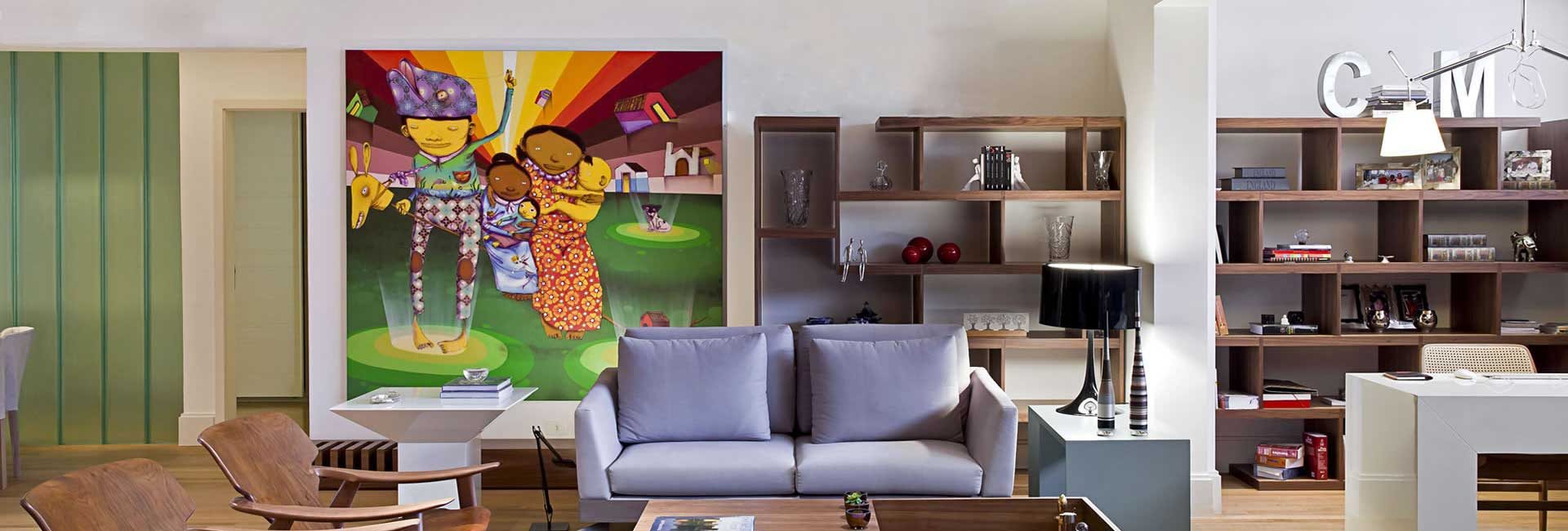
Influenced by contemporary, clean, and timeless architecture, FABIANA AVANZI ARQUITETURA E INTERIORES has been developing high-end projects since 2008, working in the residential, corporate, and real estate sectors, from furnished apartments to social areas of buildings. More than just conceiving and customizing each space, always enhancing the surroundings and the city, the firm stands out for its exclusive furniture designs and architectural details, such as partitions, railings, and staircases.
Led by architect FABIANA AVANZI, with 14 years of experience in the field, the firm has participated in major interior design exhibitions, such as Casa Cor São Paulo, and has designed projects both within and outside the state of São Paulo. Many of these projects have appeared in prominent national and international publications.
Marked by a rich palette of materials, especially natural materials, the projects reveal a constant pursuit of innovation, whether in the use of technological systems and finishes or the inventive use of classic elements.
"
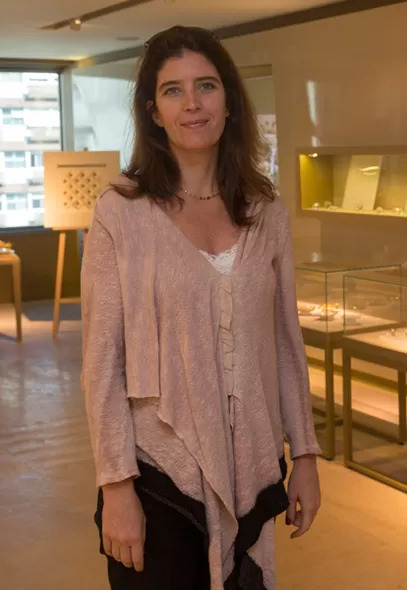
Fabiana Avanzi
Her passion for architecture was evident even in her childhood. With her parents, she would enjoy observing the gaps in the ceilings and the construction of the stairs in buildings under construction. An Aquarian full of ideas, with a Zen temperament and a desire to design, Fabiana began studying industrial design at the Centro Universitário Belas Artes in 1994, but within a few months she was certain that architecture was truly her calling. She interned with designer Marcelo Rosenbaum, lived in Milan, and studied at the Instituto Superior di Architettura e Design (ISAD). Back in Brazil, she participated in several work partnerships until opening her own office in 2008, FABIANA AVANZI ARQUITETURA E INTERIORES.
Films, books, travels, and exhibitions serve as inspiration when designing spaces imbued with natural light, elegance, and creativity. For Fabiana, architecture should not be obvious and must surprise, in both minimal and maximal settings.
Averse to fads, she believes that a project must prioritize comfort, coziness, visual unity, sustainability, fluidity, and, above all, practicality. In her work, simple materials are transformed through unexpected uses. Concrete, wood, glass, and stone are recurring elements in her modern architecture, creating combinations that captivate and intrigue.